
Losing a tooth, or even several, affects more than just your smile. It changes how you chew, how you speak, and even how your jaw feels.
Many people don’t notice the slow shift in their bite or the strain on the surrounding teeth until things start to feel “off.”
If you’ve been considering dental bridges in Doral, this guide will help you understand how they work and why they’re often the simplest and most reliable way to restore comfort and function.
Why Missing Teeth Affect More Than Appearance
A gap in your smile may seem like only a cosmetic issue at first, but your teeth actually depend on each other for support.
Without a replacement, nearby teeth drift, chewing becomes uneven, and your bite becomes imbalanced. This is where choosing dental bridges near you can prevent long-term complications.
How Dental Bridges Restore Chewing Strength
One of the biggest concerns patients have is the ability to return to a normal diet. Understanding how dental bridges restore chewing ability makes the choice easier.
Bridges distribute your bite pressure evenly across the teeth, allowing you to enjoy foods you might have previously avoided, such as tougher meats, crisp vegetables, or chewy snacks. They help you chew with confidence, not caution.
Why You Need Professional Guidance
When replacing missing teeth, you want the right diagnosis, precise measurements, and the best long-term approach.
Consulting a dentist in Doral helps your bridges fit comfortably, supports your natural teeth, and allows you to smile without worries.
The Role of a Dental Team in Successful Bridge Treatment
A smooth experience depends on coordinated care, including impressions, design, placement, bite adjustment, and follow-up.
Visiting a dental office near you allows you to receive continuous and convenient care from the first appointment to the final fitting.
How Dental Bridges Help With Bite Alignment
One major advantage that often goes unnoticed is the benefits of dental bridges for bite alignment. When a tooth is missing, the surrounding teeth slowly tilt or shift into the space.
Dental bridges can hold everything in the right position, thus protecting against any bite collapse or TMJ strain.
A stable bite means less jaw pain, fewer headaches, and better long-term oral health.
Different Types of Bridges and Their Functions
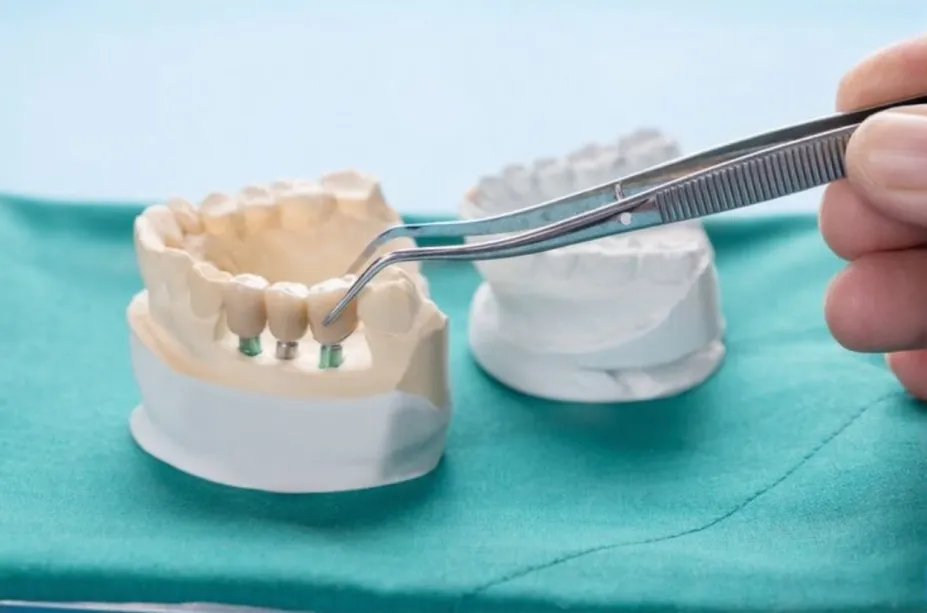
There are several types of bridges, each designed for a specific need:
- Crowns on both sides support traditional bridges
- Cantilever bridges for areas with support on only one side
- Maryland bridges use a metal or ceramic framework
- Implant-supported bridges for multiple missing teeth
Your dentist will select the type that best suits your bite, tooth structure, and daily lifestyle.
The Lifespan and Durability of Dental Bridges
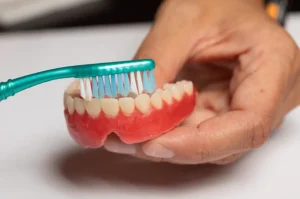
Bridges typically last many years with proper care. Good brushing habits, flossing under the bridge, and regular checkups help keep the supporting teeth healthy.
Many patients experience stability for 10–15 years, and in some cases, even longer.
Are Dental Bridges Comfortable?
Most patients are pleasantly surprised. After a short adjustment period, a bridge feels natural, almost as if the tooth had never been missing.
Your bite becomes balanced again, which reduces strain and makes chewing smoother.
The Path to a Stronger, More Aligned Bite
Missing teeth don’t have to limit your comfort, confidence, or daily routine. Dental bridges provide a reliable and natural-looking solution to restore balance to your bite and improve the strength of your smile.
With proper care and advice from a dentist near you, you can experience improved function, better alignment, and a higher quality of life.
If you’re ready to restore your comfort and confidence, our team at Doral Sedation Dentistry offers expert care for long-lasting dental bridges.
Schedule your visit today and take the first step toward a healthier, more balanced smile.
📍 Restore your smile with confidence – tap here to find the fastest route to Doral Sedation Dentistry.
FAQs
How long do dental bridges last?
Most dental bridges last 10–15 years, and sometimes even longer with good brushing, flossing, and regular checkups.
Are dental bridges better than implants?
It depends on your needs. Bridges replace missing teeth quickly and cost less, while implants last longer and feel more like natural teeth. Your dentist can guide you on the best course of action.
Do dental bridges look natural?
Yes! Modern dental bridges are designed to match the colour and shape of your natural teeth, allowing them to blend in beautifully.
How do I care for my dental bridge?
Brush twice a day, floss carefully around the bridge, keep the area clean, and visit your dentist for regular checkups to maintain its strength and stability.