

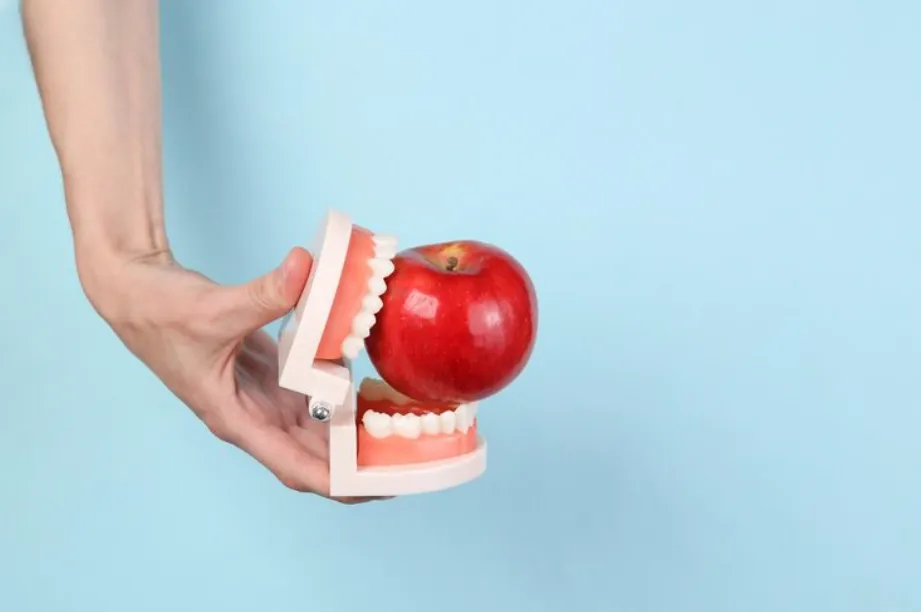
Getting dentures is a big step. Whether you have just received your first set or have been wearing them for a while, one of the most common questions is: Can you actually eat normally with dentures? The short answer is yes – but it takes some time, the right approach, and a good fit. If you are looking for dentures in Doral or anywhere nearby, understanding how to eat comfortably with them can make your whole experience much smoother.
Dentures are designed to replace missing teeth and restore your ability to chew, speak, and smile with confidence. However, they do not work exactly like natural teeth right away. Your mouth needs time to adjust, and your eating habits may need some small changes along the way.
The Adjustment Period: What to Expect
When you first get dentures, eating may feel awkward or even uncomfortable. This is completely normal. Your gums and jaw muscles need time to get used to the new appliance. Most people find that it takes anywhere from a few weeks to a few months to feel comfortable eating a wider range of foods.
- During this time, you may notice:
- Soreness or tenderness in your gums
- Difficulty biting or chewing certain foods
- A feeling that the dentures are slipping or moving
- Extra saliva production as your mouth adjusts
These are all part of the normal process. Staying patient and following your dentist’s guidance will help you get through this phase much more easily.
A Simple Guide: Foods by Stage
Here is a helpful overview of what to eat based on where you are in your adjustment period:
| Stage | Recommended Foods | Foods to Avoid |
| Week 1–2 | Soup, yogurt, mashed potatoes, smoothies, soft eggs | Crusty bread, raw vegetables, chewy candy |
| Week 3–6 | Soft fish, pasta, cooked vegetables, rice, bananas | Tough meats, corn on the cob, hard nuts |
| After Full Adjustment | Most foods are cut into smaller, manageable pieces | Sticky foods, very hard items, and excessive alcohol |
Practical Tips for Eating With Dentures
Adjusting what you eat and how you eat can make a big difference in your comfort. Here are some tried and tested tips that can help:
- Start with soft foods and slowly add firmer items as your confidence grows.
- Cut food into small pieces to reduce the effort needed for each bite.
- Chew on both sides of your mouth at the same time to keep dentures stable.
- Avoid biting directly with your front teeth, as this can cause dentures to tilt.
- Chew slowly and deliberately, especially with new dentures.
- Use a denture adhesive if recommended by your dentist to improve stability.
- Rinse your mouth and dentures after meals to remove food particles.
These small changes can greatly improve your chewing experience and help you enjoy meals with much more comfort. Working with a dentist in Doral who understands your specific needs can also make a real difference in how you manage day-to-day eating.
The Role of a Proper Fit
One of the biggest factors in how well you can eat with dentures is the fit. Ill-fitting dentures can shift around while you chew, cause sore spots on your gums, and make even soft foods feel difficult to manage. This is why custom-fitted dentures for improved chewing comfort are so important.
If your dentures do not fit well, do not try to push through the discomfort on your own. A simple adjustment from your dental care provider can fix the problem and give you a much better experience. Over time, your gums and jawbone naturally change shape, which can affect how your dentures fit. Regular check-ins with your dental office are the best way to stay ahead of these changes.
Those looking for quality dentures near you should always ask about the fitting process and what follow-up care is included. A good fit from the start sets you up for better eating, speaking, and overall comfort.
Foods That Are Generally Harder to Manage
Even after you have fully adjusted to your dentures, some foods tend to be more challenging than others. Being aware of these can help you make smarter choices at mealtimes:
- Sticky foods like caramel or gummy sweets – these can pull dentures out of place.
- Very hard foods like raw apples or crusty baguettes – these put too much force on dentures.
- Tough meats – these require heavy chewing that can wear down dentures faster.
- Small seeds or grains – these can slip under dentures and irritate.
- Corn on the cob – the way you bite it puts uneven pressure on the denture plate.
The good news is that most of these foods can still be enjoyed with a bit of preparation. Slicing apples instead of biting into them, cutting meat into smaller pieces, and choosing softer versions of your favourite foods can all help you enjoy a varied and nutritious diet.
Can Poorly Fitting Dentures Affect Your Overall Health?
Yes, they can. When dentures do not fit properly, people often avoid certain foods, especially harder or more nutritious options like raw vegetables, lean meats, and whole grains. Over time, this can lead to a less balanced diet and nutritional gaps. Difficulty chewing can also mean that food is not broken down well before swallowing, which can affect digestion.
Staying on top of how your dentures in Doral fit is not just about comfort – it is also about your overall well-being. If you notice changes in your ability to chew or experience new discomfort, it is worth visiting a dental office near you sooner rather than later.
Conclusion
Eating with dentures does take some adjustment, but with the right fit, the right foods, and a little patience, most people are able to enjoy a wide variety of meals comfortably. The key is to work closely with a dental professional you trust, keep up with regular check-ups, and not ignore signs that something is not quite right.
At Doral Sedation & Family Dentistry, our team is committed to helping you find comfort, confidence, and great oral health at every stage of your journey. Whether you are considering dentures for the first time or need an adjustment to your current set, we are here to help. Book an appointment with us today and take the first step toward a smile – and a meal – you can truly enjoy.
🦷 Restore your smile with comfortable, natural-looking dentures – click here for directions to Doral Sedation & Family Dentistry.
Frequently Asked Questions
- How long does it take to adjust to eating with dentures?
Most people adjust to eating with dentures within four to eight weeks, while full comfort can take up to six months.
- What foods should be avoided with new dentures?
With new dentures, avoid sticky foods like caramel and gum, hard like nuts, and tough meats that can dislodge dentures.
- Can poorly fitting dentures affect digestion?
Yes, poorly fitting dentures make chewing difficult, causing larger pieces to be swallowed, leading to digestive discomfort and poor absorption.
- When should dentures be adjusted or replaced?
Dentures should be checked yearly and adjusted if slip, pain, or affect chewing, and replaced every five to seven years.