
Sedation dentistry helps you relax during dental work so you don’t feel scared or uncomfortable. Many people find that sedation dentistry in Doral makes their visits much easier and less stressful. If you’re nervous about going to the dentist, this guide will show you exactly what happens during your appointment, step by step.
What Is Sedation Dentistry and Why People Choose It
Sedation dentistry uses medication to help you stay calm and relaxed while your dentist works on your teeth. You stay awake but feel peaceful and worry-free. Many people who feel anxious about dental visits find that sedation dentistry near you offers a real solution to their fears. The dentist gives you the sedative before starting any work, so you won’t feel stressed during the appointment.
Before Your Appointment: Getting Ready
What You Need to Do
Your dentist will give you clear instructions before your sedation appointment. You usually need to avoid eating and drinking for several hours before the procedure. This is important for your safety. A dentist in Doral will ask you about any medicines you take and any health problems you have. Tell them everything honestly so they can choose the safest sedative for you.
What to Bring
Bring your ID and insurance card. Wear comfortable, loose clothing. Do not drive yourself to the appointment. You must have someone pick you up and take you home, as the sedative can affect your thinking for a few hours.
During Your Appointment: Step by Step
Step 1: Check-In and Preparation
You’ll arrive about 15 minutes early. The staff will ask you some quick health questions and check your blood pressure. This helps them understand your health before the sedation starts. A dental office near you will make sure you’re comfortable in the chair.
Step 2: Getting the Sedative
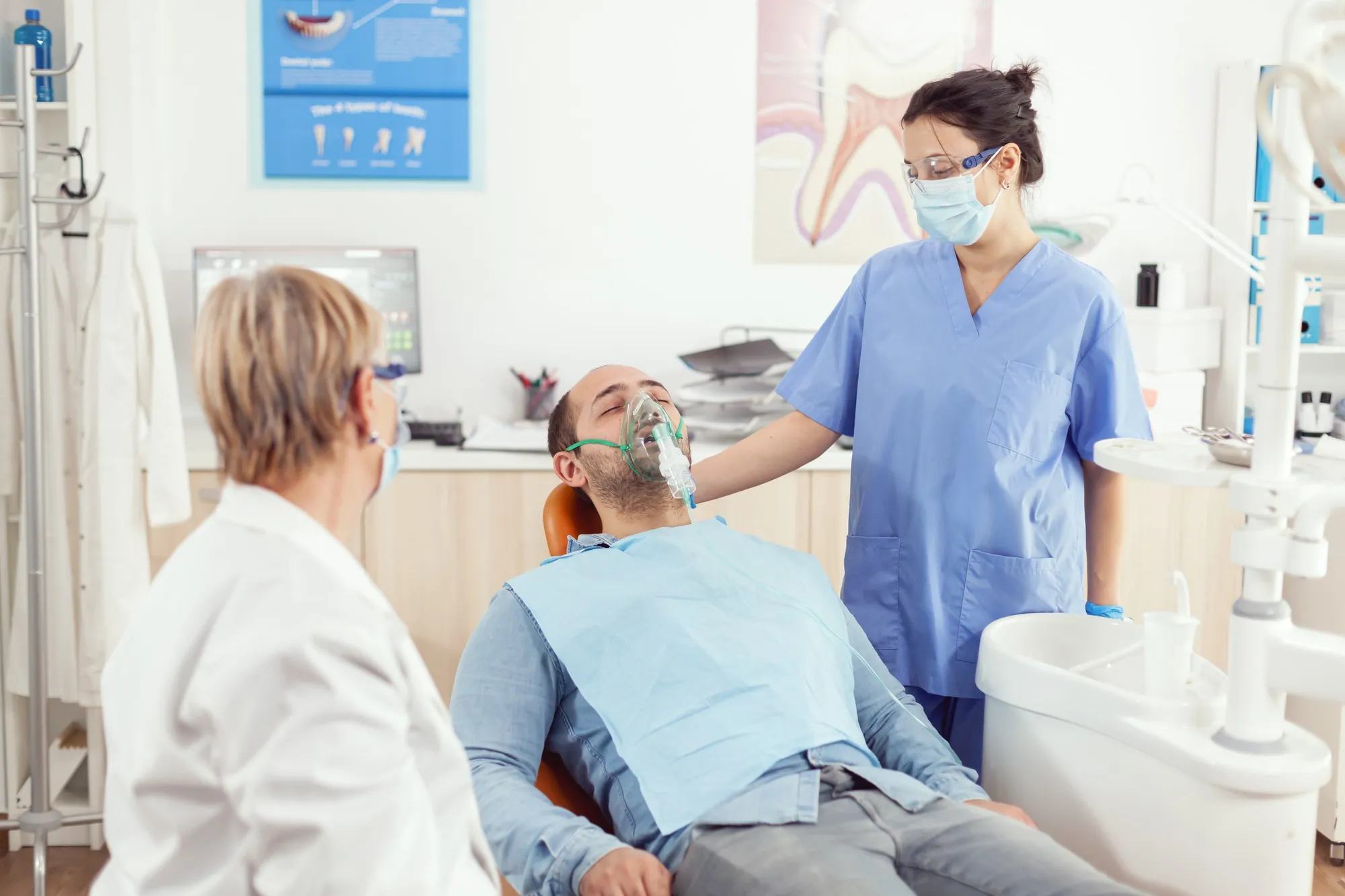
The dentist or nurse will give you the sedative. It might be a pill you swallow, gas you breathe in through a mask, or a shot in your arm. Most people start to feel drowsy within a few minutes. You’ll feel calm and relaxed, almost like floating.
Step 3: The Dental Work
Once the sedative is working, the dentist starts the actual dental work. You stay awake but don’t feel worried. Many patients say they don’t remember much of the appointment, which is normal. The dentist works carefully while you’re relaxed. Benefits of sedation dentistry for anxious patients include less stress, a lower heart rate, and no fear during the visit.
Step 4: Recovery Time
After the dentist finishes, they stop giving you the sedative. You’ll slowly wake up over the next 15 to 30 minutes. You might feel a bit sleepy or groggy, but this passes quickly. The staff watches you until you’re fully alert.
After Your Appointment: What Happens Next
The First Few Hours
You might feel tired for the rest of the day. Your thinking may be slower than normal. Don’t make big decisions or do anything that needs focus. Stay home and rest if you can. What to expect during a sedation dentistry appointment includes some drowsiness afterward, but this is temporary.
Eating and Drinking
Wait a few hours before eating solid food. Start with soft foods like soup or yogurt. Drink water or other clear liquids once you feel ready.
Caring for Your Teeth
Your mouth might be numb for an hour or two. Be careful not to bite your cheek or lip. Avoid hot food and drinks until the numbness goes away.
Common Types of Sedation Used in Dentistry
| Sedation Type | How It Works | Recovery Time |
| Nitrous Oxide (Laughing Gas) | You breathe it in through a mask. | Wears off in minutes |
| Oral Sedation | You swallow a pill before the appointment. | Several hours |
| IV Sedation | The dentist puts it directly in your arm. | A few hours |
Moving Forward: Your Comfort Matters
Choosing sedation for your dental care shows you’re taking your health seriously. Even if you’ve been scared to visit the dentist for years, sedation can make the experience calm and manageable. Understanding what happens before, during, and after your appointment removes the mystery and worry.
Dental health is important for your overall wellness. Taking care of your teeth prevents bigger problems later. With modern sedation options, there’s no reason to skip needed dental care because of fear.
Your Next Step Toward Comfortable Dental Care
Feeling nervous about the dentist doesn’t have to stop you from getting the care you need. Sedation dentistry is a real option that has helped many people overcome their dental fears. The team at Doral Sedation Dentistry understands what it’s like to feel anxious, and we are trained to make your experience as smooth and comfortable as possible.
If you’d like to learn more about how sedation can help you, consider reaching out to us to discuss your concerns.
Get directions to Doral Sedation Dentistry and visit our office for comfortable sedation dentistry and personalized dental care.
Frequently Asked Questions
Q: What happens during a sedation dentistry appointment?
A: You receive medication to help you relax, the dentist completes your dental work while you’re calm and comfortable, and then you wake up gradually once the work is done.
Q: How to prepare for a sedation dentistry appointment?
A: Do not eat or drink anything for several hours prior to your appointment. Have someone drive you home after your visit. Wear loose clothing. Tell your dentist all your medications and medical conditions.
Q: Is sedation dentistry safe for dental procedures?
A: Yes, it is safe! Dentists trained in sedation dentistry will monitor your vital signs throughout the appointment and have emergency equipment available.
Q: How long does it take to recover after dental sedation?
A: Most people feel alert within 30 minutes to an hour, but you may feel tired for the rest of the day, so it’s best to rest at home and avoid making important decisions.